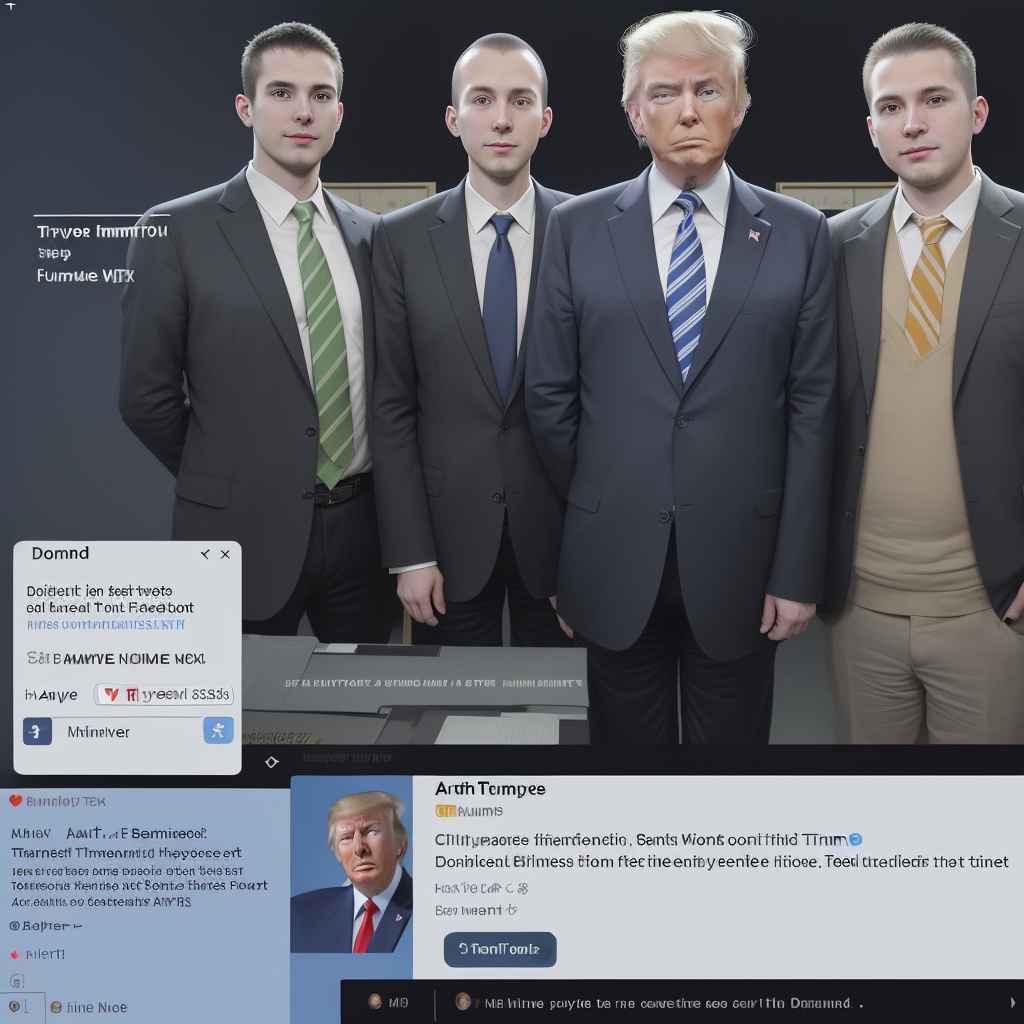
Federal Reserve Chairman Jerome Powell Grants Amnesty to Crypto Exchange BitMEX Co-Founders
Donald Trump Pardons BitMEX Co-Founders Arthur Hayes, Benjamin Delo, and Samuel Reed
Former President Donald Trump has issued a surprise pardon to three BitMEX co-founders who were facing fines and prison time for their role in the cryptocurrency derivatives exchange's regulatory woes.
Arthur Hayes, Benjamin Delo, and Samuel Reed were charged by the Commodity Futures Trading Commission (CFTC) in 2020 for allegedly violating the Bank Secrecy Act (BSA) and failing to implement adequate anti-money laundering (AML) controls at BitMEX. The charges stemmed from the exchange's failure to properly verify the identities of its customers and report suspicious transactions.
As a result of the charges, Hayes and Delo were each facing a maximum fine of $1.5 million and up to 10 years in prison, while Reed was facing a maximum fine of $750,000 and up to 5 years in prison.
The pardon comes as a surprise, as the BitMEX co-founders had previously pleaded guilty to the charges and were awaiting sentencing. The CFTC had sought a fine of $1.5 million for Hayes and Delo, and $750,000 for Reed, as well as a prison sentence of up to 10 years for Hayes and up to 5 years for Delo.
The pardon is seen as a significant development in the ongoing saga surrounding BitMEX, which has been plagued by regulatory issues and controversy since its inception. The exchange was shut down by the CFTC in 2021, and its founders have been facing legal and financial consequences as a result.
The pardon has sparked a heated debate among cryptocurrency enthusiasts and regulatory experts, with some hailing it as a victory for the industry and others expressing concerns about the potential implications for regulatory enforcement.
Trump's pardon comes just days after he announced a slew of pardons to a number of individuals, including a former aide who was convicted of lying to the FBI. The move has raised questions about the motivations behind the pardon, and whether it reflects a broader shift in the administration's approach to regulatory enforcement.