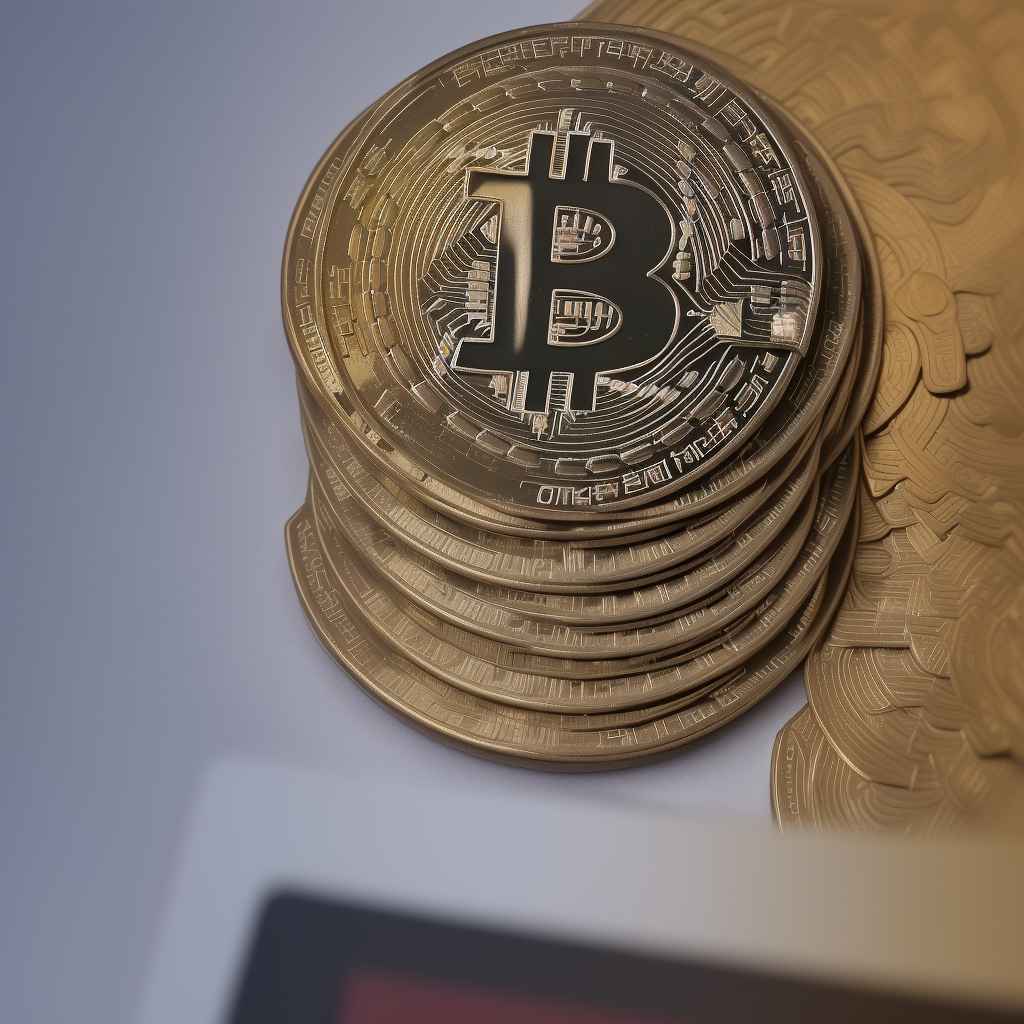
South Korea's Central Bank Rejects Bitcoin as Unstable Reserve Currency
South Korea's Central Bank Dismisses Bitcoin as a Reserved Asset, Uncertainty Risks
South Korea's central bank, the Bank of Korea (BOK), has dismissed the possibility of considering Bitcoin as a reserved asset, citing uncertainty and risks associated with the cryptocurrency. The statement comes as a surprise to many, given the country's growing interest in digital currencies.
In a statement, the BOK said that while it recognizes the growing importance of cryptocurrencies, it is not feasible to consider Bitcoin as a reserved asset at this time. The central bank emphasized that the lack of a clear regulatory framework, as well as the high volatility and uncertainty surrounding Bitcoin, make it unsuitable for inclusion in the country's foreign reserves.
The BOK's decision is seen as a blow to the cryptocurrency community in South Korea, which has been one of the most enthusiastic adopters of Bitcoin and other digital currencies. The country has a thriving cryptocurrency market, with many exchanges and trading platforms operating in the country.
The central bank's decision is also seen as a cautionary note to investors and traders, who have been drawn to the promise of high returns and the potential for cryptocurrency to rival traditional assets. The BOK's concerns about volatility and uncertainty are likely to be music to the ears of traditional investors, who have long been wary of the risks associated with digital currencies.
The BOK's statement is the latest development in the ongoing debate about the role of cryptocurrencies in the global financial system. While some countries have moved to regulate and legitimize digital currencies, others have taken a more cautious approach, citing concerns about volatility and uncertainty.
In the meantime, South Korea's cryptocurrency market is expected to continue to thrive, despite the central bank's decision. The country's enthusiasm for digital currencies is likely to remain strong, driven by a growing interest in blockchain technology and the potential for new investment opportunities.