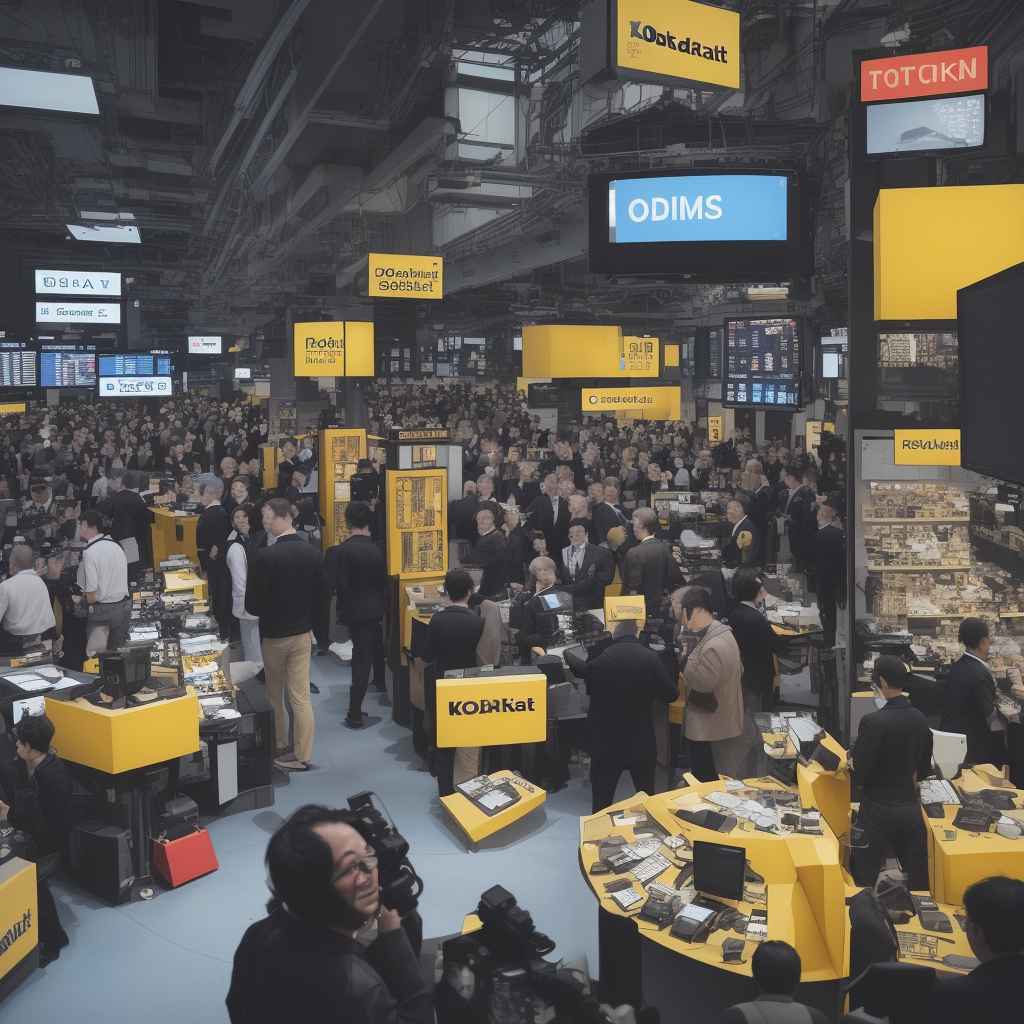
The Fall of the Trading Tower
Centralized Exchanges: The Kodak Moment
In a stunning turn of events, the cryptocurrency market has reached a crossroads, with centralized exchanges finding themselves at the forefront of a pivotal moment in the industry's evolution. Just as Eastman Kodak's decision to sue Instagram for allegedly infringing on their intellectual property rights marked the beginning of the end for traditional photography, the rise of decentralized exchanges (DEXs) threatens to render centralized exchanges obsolete.
According to a report by The Block, the number of DEXs has surged in recent months, with users flocking to platforms like Uniswap, SushiSwap, and Curve Finance to trade cryptocurrencies without the need for intermediaries. This shift has sent shockwaves through the traditional exchange landscape, with many centralized exchanges struggling to adapt to the changing market dynamics.
The writing is on the wall for centralized exchanges, which have long been criticized for their lack of transparency, high fees, and susceptibility to hacks. As the market continues to evolve, it's increasingly clear that the future of trading lies in decentralized, permissionless systems that empower users to take control of their own transactions.
The rise of DEXs has also led to a proliferation of new use cases, such as yield farming and liquidity provision, which have further eroded the dominance of centralized exchanges. As the market continues to fragment and decentralize, it's likely that we'll see a proliferation of new platforms and services that cater to the changing needs of users.
In the face of this existential threat, centralized exchanges are scrambling to adapt, with some attempting to integrate blockchain technology into their existing infrastructure. However, it's unclear whether these efforts will be enough to stem the tide of change, or if they will simply be seen as a desperate attempt to cling to the status quo.
As the dust settles on this Kodak moment, it's clear that the future of cryptocurrency trading lies in the decentralized, open-source ethos that has always defined the space. Whether centralized exchanges will be able to evolve and thrive in this new landscape remains to be seen, but one thing is certain: the era of intermediaries is coming to a close.